When someone stops using drugs or alcohol, they aren’t just breaking a habit; they’re fixing a nervous system that has been hijacked. New research shows that certain kinds of movement can speed up this process. This is the best guide to the best fitness exercises for recovering from addiction and the science behind why they work.
The Science: Why “Movement is Medicine” in 2026
The brain’s reward system is often in a state of “anhedonia”—the inability to feel pleasure—during the first stages of recovery. This is because using drugs overstimulates dopamine receptors until they stop working.
Exercise is a natural way to “regenerate” your brain. It makes Brain-Derived Neurotrophic Factor (BDNF) come out, which is a protein that works like “Miracle-Gro” for your brain cells. This helps fix the damage to the prefrontal cortex, which is the part of the brain that controls impulses. Exercise also naturally boosts dopamine and serotonin levels, which helps the body learn how to feel “good” again without any drugs.
Top 5 Exercises for Addiction Recovery
1. The Base: Low-Impact Aerobic Movement
People who are just starting to recover from detox often feel physically weak. High-intensity workouts can sometimes cause a spike in cortisol, which is a stress hormone that can feel like withdrawal anxiety. So, we suggest starting with low-impact aerobic movement.
- The Exercise: Brisk walking or “Zone 2” cycling.
- Why it works: Walking in nature for 20 minutes has been shown to lower cortisol levels by as much as 20%. It gives you a “moving meditation” that helps you stop obsessive thinking (rumination), which is a common cause of relapse.
- 2026 Strategy: Use a wearable device to keep your heart rate between 60% and 70% of its maximum.
2. The Dopamine Rebuilder: Resistance and Strength Training
Once you are physically stable, strength training becomes the “heavy lifter” of mental health.
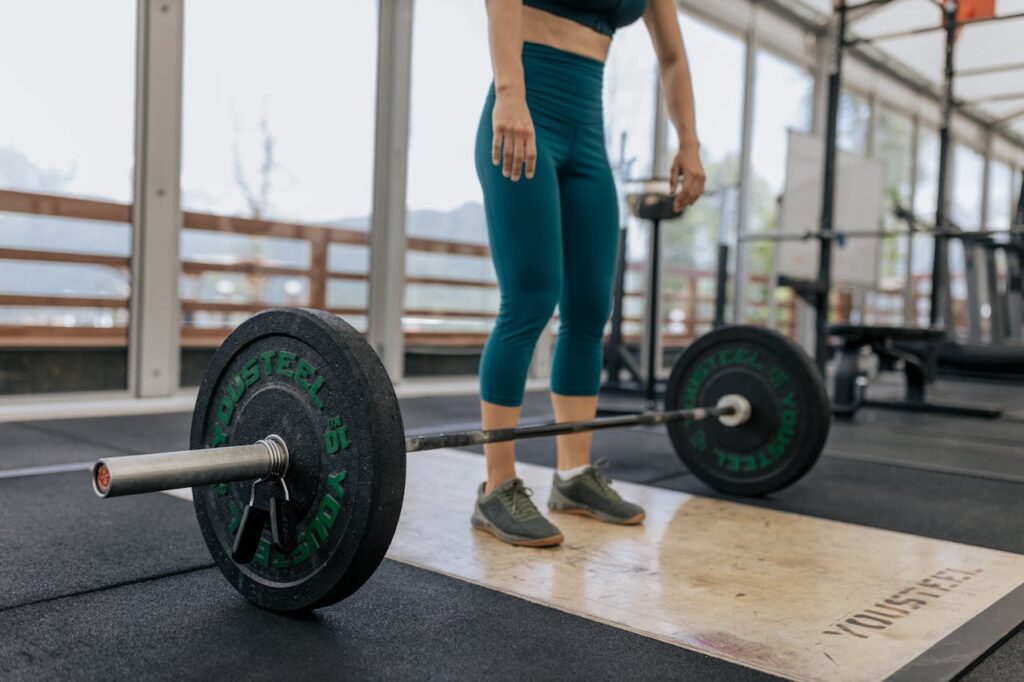
- The Exercise: Compound movements like squats, deadlifts, and overhead presses.
- Why it works: Strength training gives you real progress. Seeing the numbers on a bar go up sends a healthy, small reward signal to the brain. Lifting weights also makes insulin more sensitive, which prevents the “sugar crashes” that can make you irritable and cause cravings.
3. Yoga and Tai Chi: Nervous System Regulators
Many people turn to drugs and alcohol to escape unpleasant physical feelings. Yoga and Tai Chi teach individuals how to control their own nervous system through their breath.
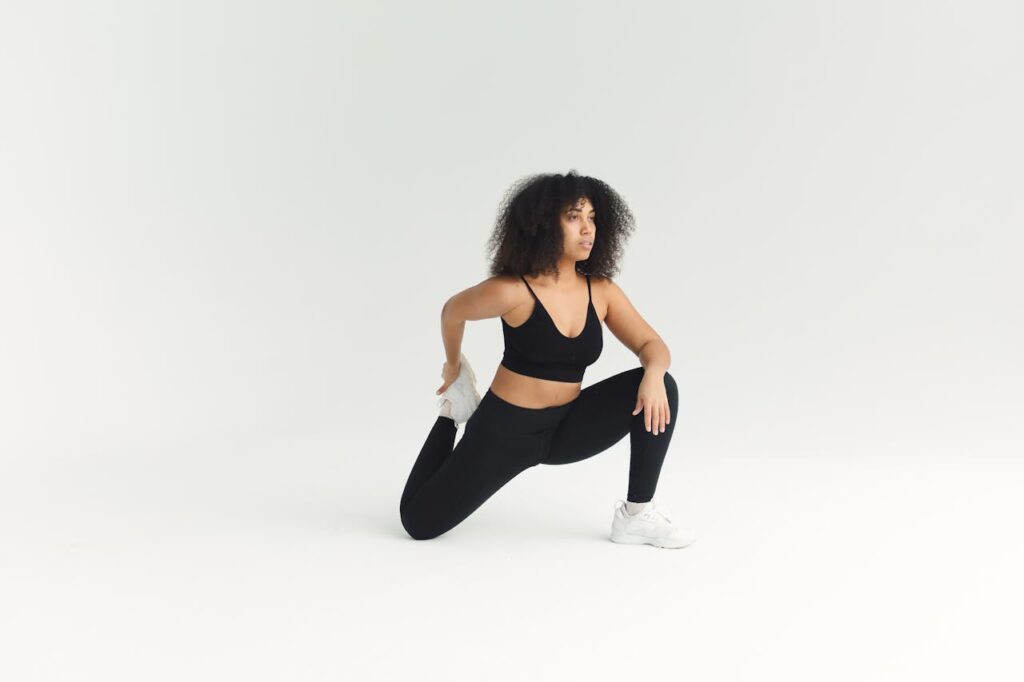
- The Exercise: Vinyasa Flow or Trauma-Informed Yoga.
- Why it works: These activities work on the Vagus Nerve, which acts as a switch for your body’s relaxation response. You are teaching your brain to stay calm in real life when things get stressful by doing hard poses and breathing steadily.
4. The “High” of Endorphins: Swimming and Cold Water Therapy
For people who miss the “rush” that comes with using drugs, swimming—especially in cooler water—is a strong and safe alternative.
- The Exercise: Swimming laps or supervised “wild swimming.”
- Why it works: Cold water immersion makes a lot of norepinephrine and dopamine come out. This gives the system a natural “ping” that can last for hours and “blunt” the edge of a craving.
5. The Accountability Builder: Group Fitness
Addiction is fueled by being alone. Group fitness gives you the “Sober Social” space you need for long-term success.
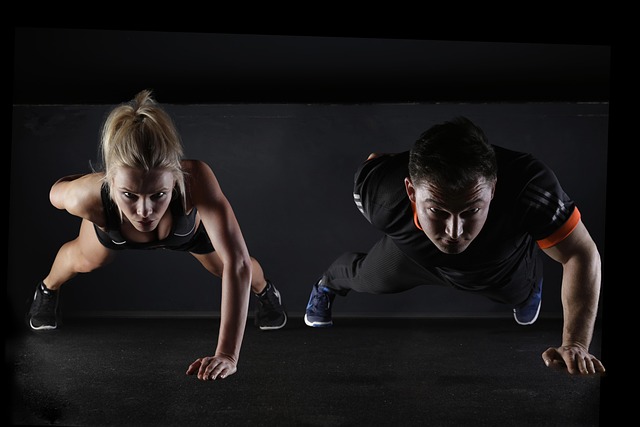
- The Exercise: Sober Hiking Clubs or Functional Fitness/CrossFit classes.
- Why it works: Communities like The Phoenix have shown that “sweating together” creates stronger bonds than traditional therapy alone. It also helps you reach a “flow state” where worries and cravings disappear for a time.
The “Recovery-First” Fitness Framework
Consistency is more important than intensity. Use this timeline to guide your journey:
Phase 1: Stabilization (Weeks 1–4)
Focus: Routine and sleep.
Activity: 30 minutes of daily walking and two gentle yoga classes per week.
Goal: Reset the body’s sleep-wake cycle and lower baseline anxiety.
Phase 2: Rebuilding (Months 2–6)
Focus: Power and Self-Assurance.
Activity: 3 days of resistance training and 2 days of moderate cardio (jogging/swimming).
Goal: Start neuroplasticity in the brain and rebuild muscle tissue.
Phase 3: Optimization (6 Months+)
Focus: Community and Performance.
Activity: Sign up for a group fitness class or an amateur sports team.
Goal: Change your identity from a “person in recovery” to an “athlete” or “active person.”
Safety Precautions for 2026
- Medical Clearance: Always talk to a doctor, especially if you’re recovering from alcohol or stimulants, as these put stress on the heart.
- Watch for “Cross-Addiction”: Some people become addicted to working out. Balance is important to avoid injury and isolation.
- Nutrition is Key: Eat a diet high in protein and low in inflammation to give your brain the building blocks it needs to heal.
A New Identity: Final Thoughts
Exercise is the best way to get from the life you had to the life you want. At FitnessTreatments.com, we believe every rep and every mile is a vote for the new you. You’re not just getting fit; you’re making your body and mind strong enough to handle anything life throws your way.
Are you ready to go? Choose one thing from this list to do today. Your future self is waiting for you.